Photo Tour

Drama in Kenya

The Green Season, Reimagined:

December in the Mara is unlike the chaos of the migration season. The plains breathe differently. The light softens. The crowds disappear. The landscape turns lush green after the short rains and the wilderness feels intimate, raw and deeply alive.

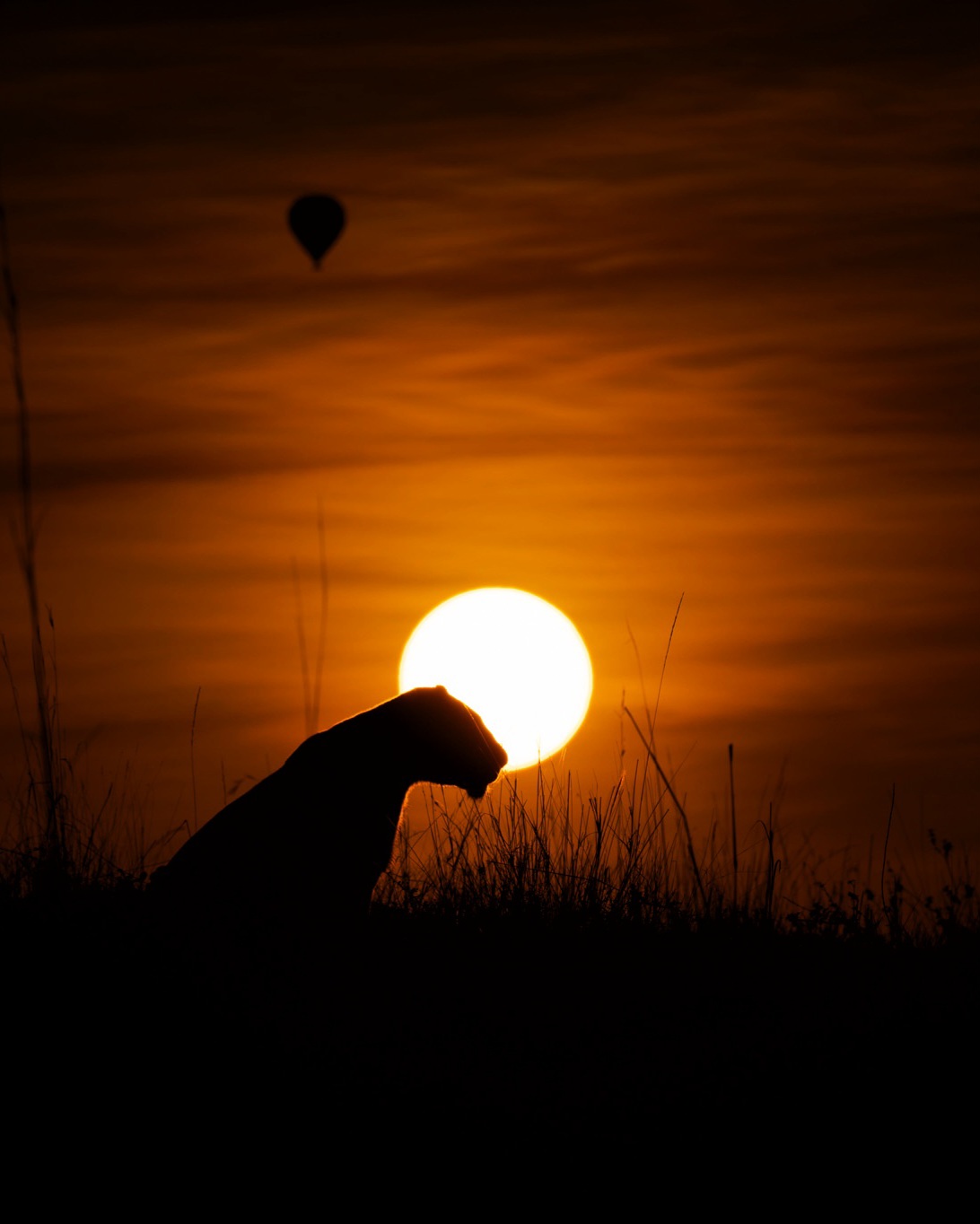
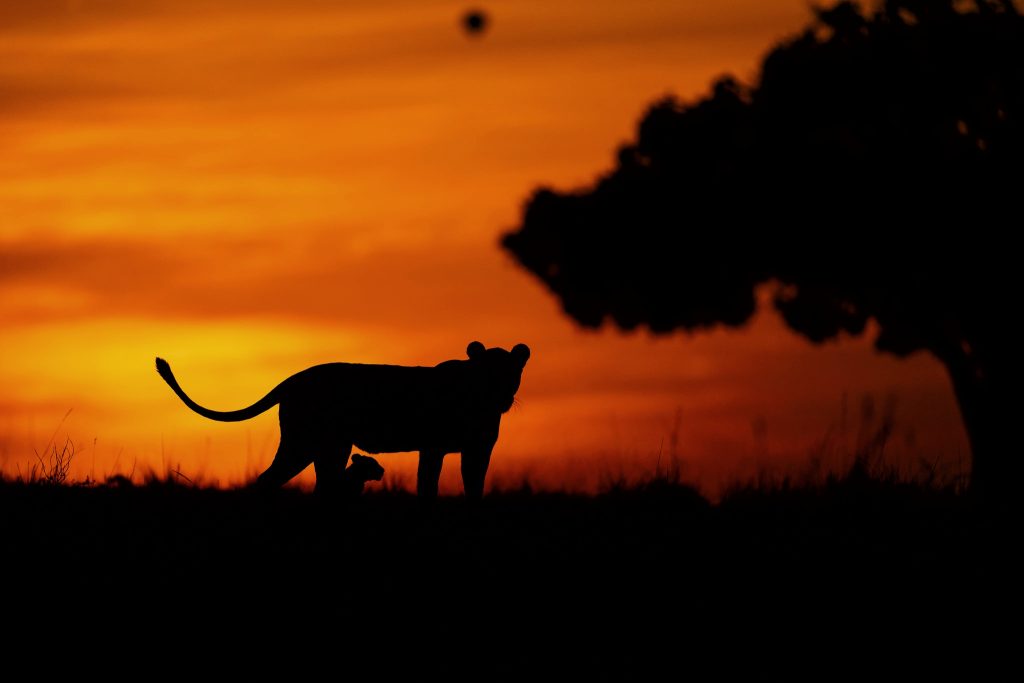
For photographers and true wildlife enthusiasts, this is one of the most underrated times to experience the Mara. Fresh grasslands, moody skies, scattered storms, dramatic cloud formations and cleaner air create an entirely different visual language. Predator sightings remain exceptional, especially lions, cheetahs and leopards against rich emerald backdrops.The balance of rain and sunlight often creates spectacular conditions for storytelling frames, rain drama, silhouettes, reflections and atmospheric wildlife imagery.

At Savera Safaris, our December departures are designed around this very philosophy. We focus on creativity over checklist tourism. Reading weather, tracking light, understanding animal movement and placing ourselves in the right habitat at the right time becomes the essence of the experience.

This is not the Mara of chaos.

This is the Mara of mood, intimacy and storytelling.

Come witness the wild when it feels most alive!

About Laikipia :

There are places in Africa where the land itself feels like a privilege to stand on. Laikipia is one of them.Stretching across Kenya’s central highlands at the foot of Mount Kenya, this vast plateau of private conservancy is Africa’s most sophisticated model of conservation tourism. 

December is one of the most atmospheric times to photograph Laikipia. 

The landscape often carries fresh green tones from scattered rains, skies turn dramatic with passing storm clouds and the soft diffused light creates exceptional conditions for moody storytelling images. The season also brings beautiful photographic opportunities with cub behaviour, predator movement and dynamic environmental compositions.

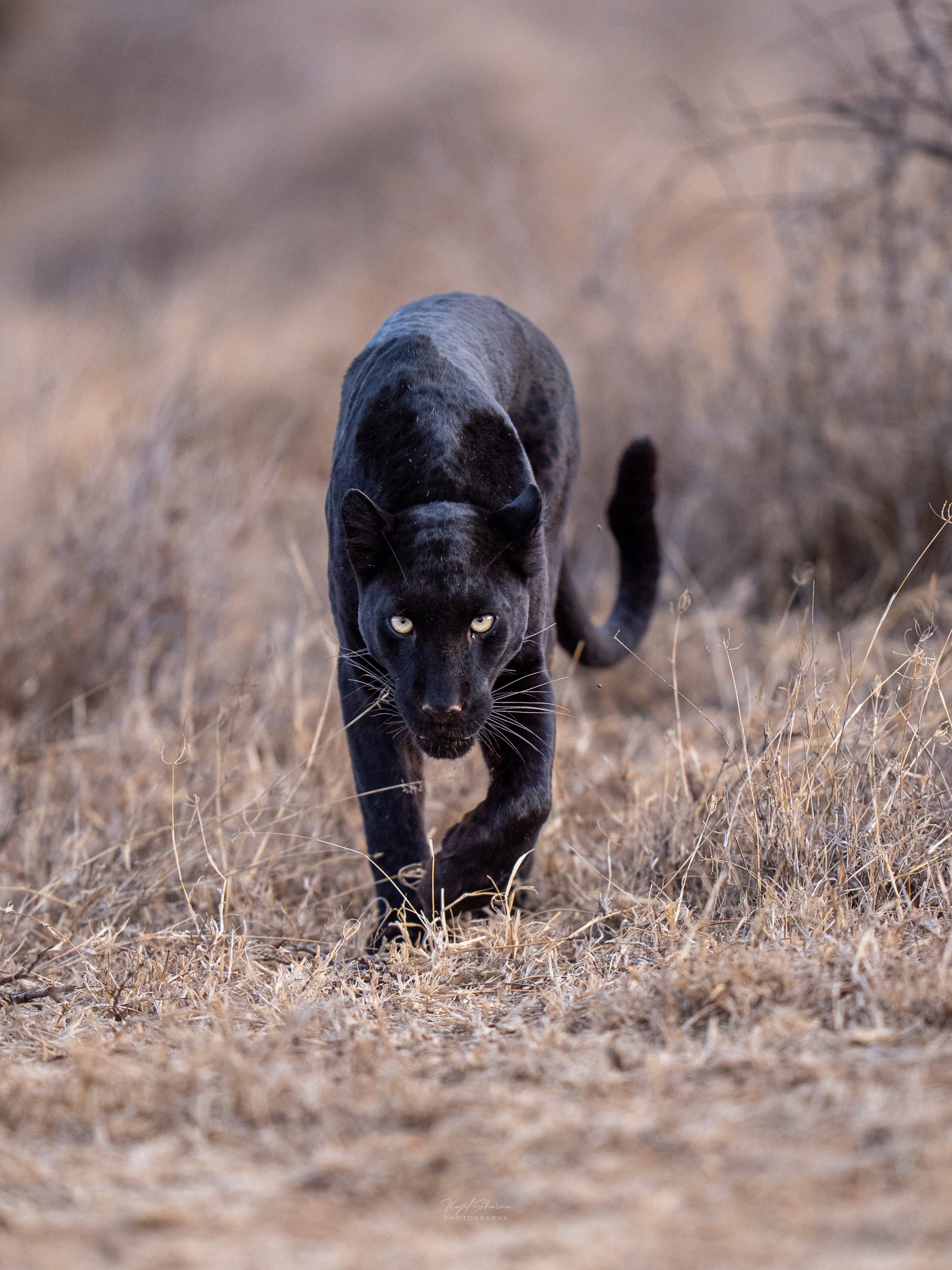
   At the heart of the expedition lies our focused effort towards tracking and photographing Giza, the famous melanistic leopard of Laikipia. One of the very few confirmed Black Leopards ever   documented in Africa, Giza has become globally recognised for her bold character and extraordinary presence.

The region offers an incredibly diverse photographic canvas , Black Leopard, Regular Leopards, African Wild Dogs, Lions and Hyenas, Elephants in dramatic landscapes, Reticulated Giraffes, Grevy’s Zebra and exceptional birdlife.

Because in Laikipia, the goal isn’t just to see the wild.

It is to sit quietly in the silence of the African dusk… waiting for shadows to move.

And if fortune allows, to witness Giza emerge from them.
Drama in Kenya Read More »

Masai Mara – Migration Uncut

There is a moment on the Mara just after dawn, when the mist is still low and the plains glow amber, that stops every photographer mid-breath. This is the land that made Big Cat Diary. That built the legend of Africa’s wildlife photography. That draws the finest lenses on the planet, season after season. Nearly 900 lions. A thousand leopards. Cheetah sprinting across open plains in the golden light of afternoon. And from July to October, the Great Wildebeest Migration – two million animals crossing the Mara River in a crescendo of dust, crocodiles and raw survival that ranks among the most dramatic photographic subjects in the natural world. 

The iconic Marsh Pride documented by the BBC for decades, currently led by matriarch Kito with the seven strong Topi Boys coalition still rules the Musiara Marsh. The Topi Pride, with the powerful Salas Boys, commands the open plains. The Sausage Tree Pride controls the Mara Triangle under the watchful Lamai males. For leopard photographers, Bahati, Luluka, and Nalangu are resident celebrities. For cheetahs, the male Ruka and the female Nagol are regularly tracked across the Bila Shaka area. 

This Savera Safaris departure is designed for wildlife photographers and enthusiasts who want the right stay options, smooth domestic air transfers, properly planned game drives and the comfort of travelling with a setup that feels premium from start to finish.

Kapil leads Mara expeditions with the same precision he brings to every Indian reserve, reading light, reading behaviour, and placing you in the frame before the frame arrives.

Masai Mara – Migration Uncut Read More »

Tadoba: Through the Bamboo

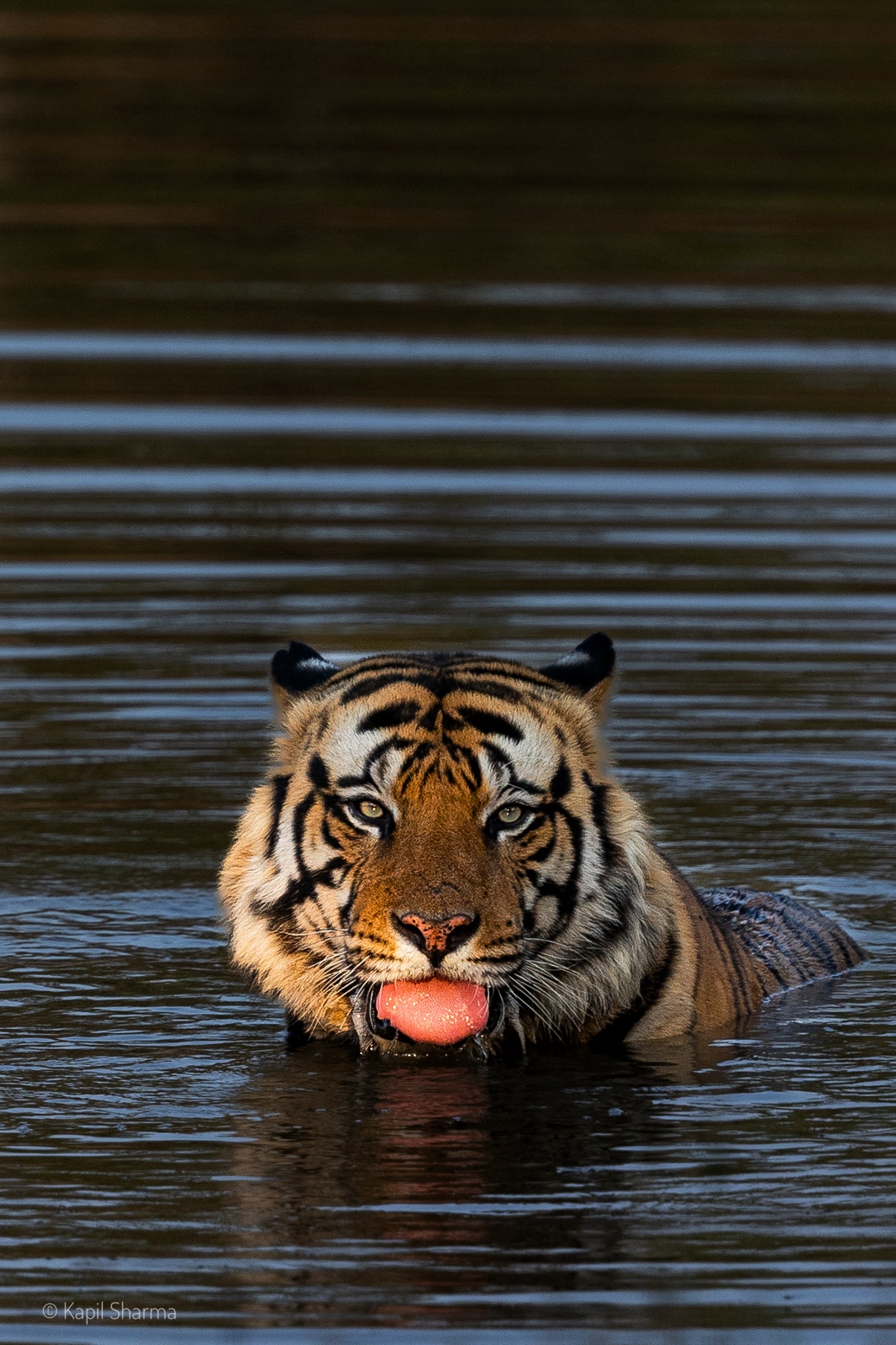
Lending its name from the Marathi local God Tadu and the glistening Andhari river flowing through the land, the Tadoba Andhari Tiger Reserve in Maharashtra stands hosting the largest number of mighty tigers in the country. 

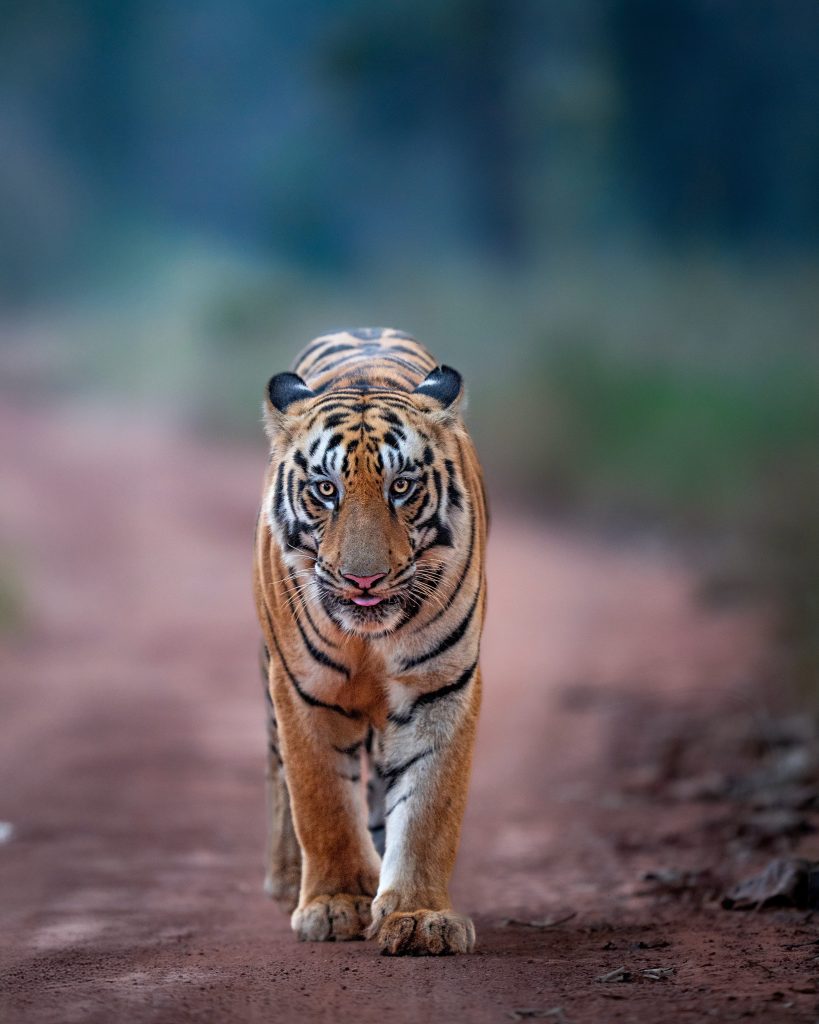
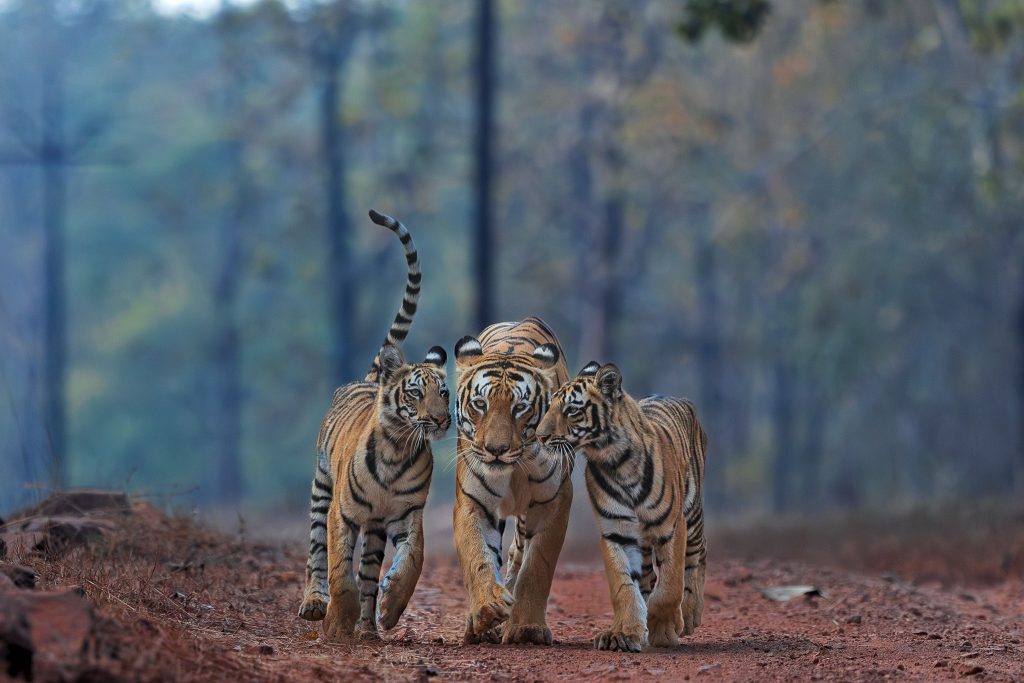
The Tadoba Andhari National Park features a tropical and dry deciduous topography with scrawny bamboo forests spawning over the landscape.  The long and seemingly endless stretches of charcoal-tinted tar roads in Tadoba make for an excellent centre stage for the ferocious tigers to emerge and make their bold appearances. Tourists and photographers alike, flock to Tadoba to capture stellar frames that encapsulate the mesmerizing polarity of the golden hues of tigers and the pitch black tar roads. 

To experience the mesmerizing beauty of Tadoba, one needs to cover all three zones that it is spread over Mohurli, Tadoba, and Kolsa. Safaris can access the Tadoba and Mohurli zones at once, however, you have to take a separate route, jeep, tickets and permits for Kolsa. While you are galavanting on your jeeps do not miss out on delegating some of your time on the buffer zones. Tadoba is one of the very few national parks in India where tiger sightings are abundant in the buffer zones with even a solid number of joyful cubs playing around. Devada, Agarzari, Junona, Sirkheda, Alizanza, and  Belara are especially famous buffer zones for tiger sightings.

Tadoba does have the fastest-growing tiger population in India, but that’s not all that the national park has to offer. The four VIP attractions of Tadoba are leopards, sloth bears, dholes(wild dogs), and tigers. Sauntering along the beautiful Jamni lake or the Tadoba lake you can also spot a lot of herbivores including deer. Since 2019 Tadoba has been graced by the presence of a very special guest, the semimelanistic Black Panther. Bring out your lucky charms to your safari because spotting the panther in the core zone will require some luck on your side. 

Taste the thrill of chasing the most coveted tiger frames in the world, visit Tadoba!

Tadoba: Through the Bamboo Read More »

Tadoba – Dawn to Dusk, Unscripted

Lending its name from the Marathi local God Tadu and the glistening Andhari river flowing through the land, the Tadoba Andhari Tiger Reserve in Maharashtra stands hosting the largest number of mighty tigers in the country. 

The Tadoba Andhari National Park features a tropical and dry deciduous topography with scrawny bamboo forests spawning over the landscape.  The long and seemingly endless stretches of charcoal-tinted tar roads in Tadoba make for an excellent centre stage for the ferocious tigers to emerge and make their bold appearances. Tourists and photographers alike, flock to Tadoba to capture stellar frames that encapsulate the mesmerizing polarity of the golden hues of tigers and the pitch black tar roads. 

To experience the mesmerizing beauty of Tadoba, one needs to cover all three zones that it is spread over Mohurli, Tadoba, and Kolsa. Safaris can access the Tadoba and Mohurli zones at once, however, you have to take a separate route, jeep, tickets and permits for Kolsa. While you are galavanting on your jeeps do not miss out on delegating some of your time on the buffer zones. Tadoba is one of the very few national parks in India where tiger sightings are abundant in the buffer zones with even a solid number of joyful cubs playing around. Devada, Agarzari, Junona, Sirkheda, Alizanza, and  Belara are especially famous buffer zones for tiger sightings.

Tadoba does have the fastest-growing tiger population in India, but that’s not all that the national park has to offer. The four VIP attractions of Tadoba are leopards, sloth bears, dholes(wild dogs), and tigers. Sauntering along the beautiful Jamni lake or the Tadoba lake you can also spot a lot of herbivores including deer. Since 2019 Tadoba has been graced by the presence of a very special guest, the semimelanistic Black Panther. Bring out your lucky charms to your safari because spotting the panther in the core zone will require some luck on your side. 

Taste the thrill of chasing the most coveted tiger frames in the world, visit Tadoba!

Tadoba – Dawn to Dusk, Unscripted Read More »

Tadoba: Taru’s Treasure Trove

Lending its name from the Marathi local God Tadu and the glistening Andhari river flowing through the land, the Tadoba Andhari Tiger Reserve in Maharashtra stands hosting the largest number of mighty tigers in the country. 

The Tadoba Andhari National Park features a tropical and dry deciduous topography with scrawny bamboo forests spawning over the landscape.  The long and seemingly endless stretches of charcoal-tinted tar roads in Tadoba make for an excellent centre stage for the ferocious tigers to emerge and make their bold appearances. Tourists and photographers alike, flock to Tadoba to capture stellar frames that encapsulate the mesmerizing polarity of the golden hues of tigers and the pitch black tar roads. 

To experience the mesmerizing beauty of Tadoba, one needs to cover all three zones that it is spread over Mohurli, Tadoba, and Kolsa. Safaris can access the Tadoba and Mohurli zones at once, however, you have to take a separate route, jeep, tickets and permits for Kolsa. While you are galavanting on your jeeps do not miss out on delegating some of your time on the buffer zones. Tadoba is one of the very few national parks in India where tiger sightings are abundant in the buffer zones with even a solid number of joyful cubs playing around. Devada, Agarzari, Junona, Sirkheda, Alizanza, and  Belara are especially famous buffer zones for tiger sightings.

Tadoba does have the fastest-growing tiger population in India, but that’s not all that the national park has to offer. The four VIP attractions of Tadoba are leopards, sloth bears, dholes(wild dogs), and tigers. Sauntering along the beautiful Jamni lake or the Tadoba lake you can also spot a lot of herbivores including deer. Since 2019 Tadoba has been graced by the presence of a very special guest, the semimelanistic Black Panther. Bring out your lucky charms to your safari because spotting the panther in the core zone will require some luck on your side. 

Taste the thrill of chasing the most coveted tiger frames in the world, visit Tadoba!

Tadoba: Taru’s Treasure Trove Read More »

Corbett Chronicles

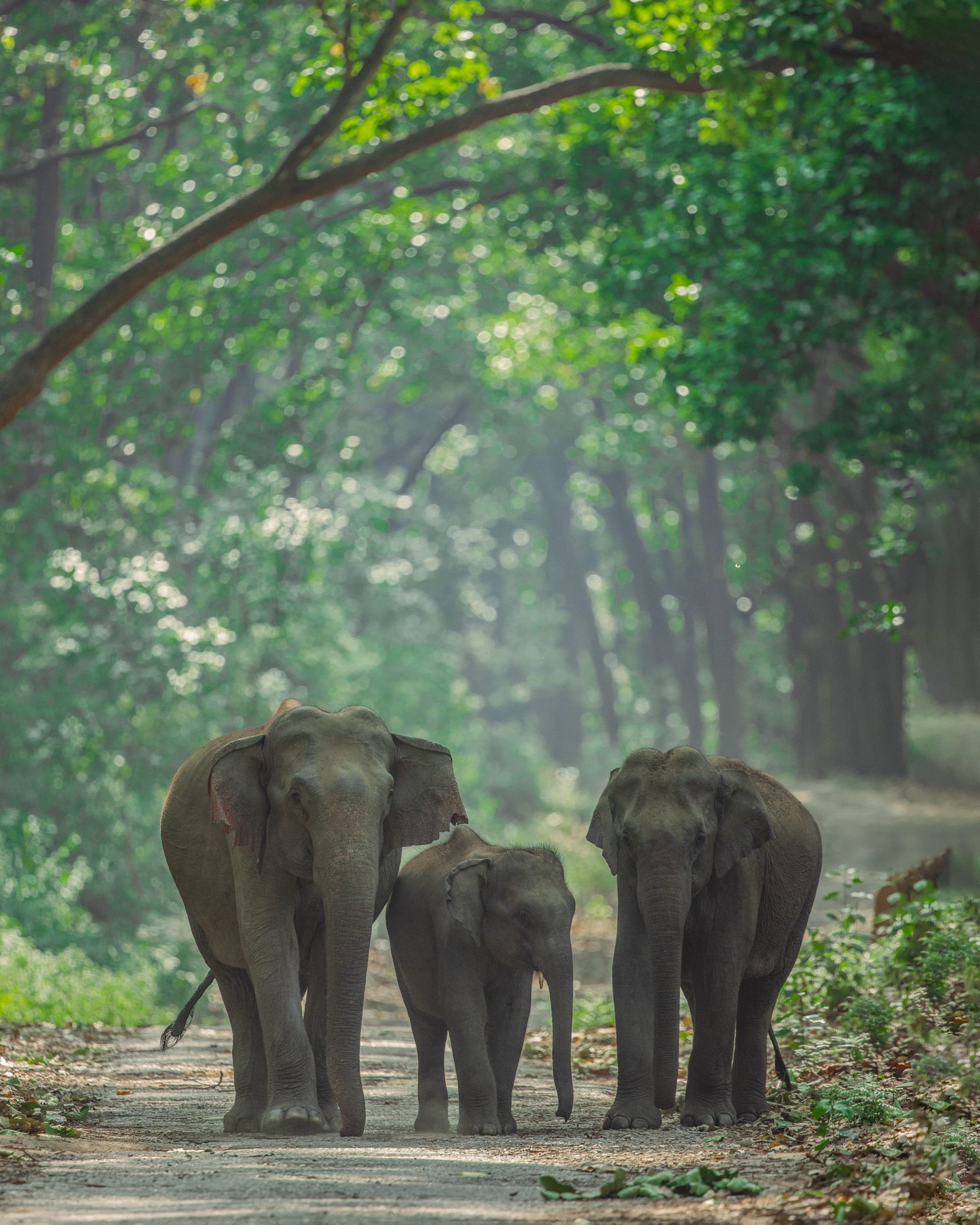
An idyllic paradise, an abode to regal tigers, shielded nests to numerous winged creatures, and a playground to colossal trunked elephants-  Corbett National Park is the Masai Mara of India that hosts wildlife in all its glory and diversity. 

The Jim Corbett National Park, located in the popularly known ‘land of Gods’ Uttarakhand, is also the land which abounds in rich flora and fauna. It is the first national park of India and is named after the renowned British hunter and naturalist Jim Corbett. 

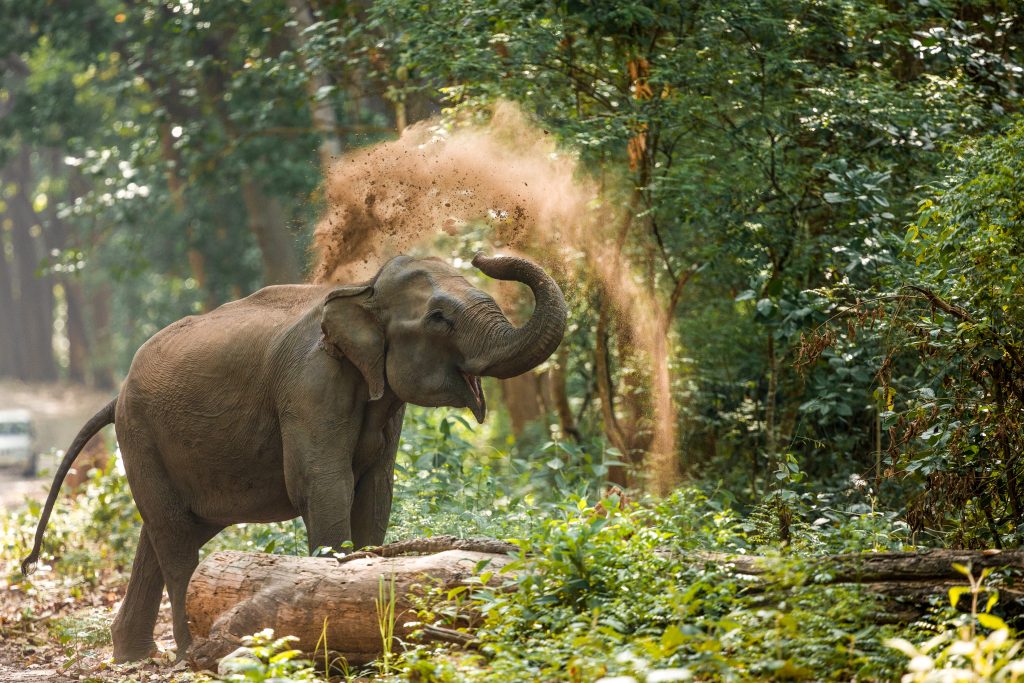
The Dhikala zone is one of the most densely populated tiger zones in Corbett with tigers thumping around and giving the boldest sightings. Gargantuan elephants and hog deers with their crowned antlers can also be spotted in the Dhikala zone solo or even in groups against the beautiful backdrop of the sal forest. Jim Corbett has also been recognized as the Eden Garden of national parks because of the vast stretches of grasslands and mix of the Terai forest. A grand wildlife voyage so rich and abundant with greenery, weaved with sal forests, watered by the Ramganga river, and embedded with white stones across the river bed, Corbett is a scene out of a photographer’s dream. Because of the rich flora of the forest, innumerable species of birds have created their nests here. For all the birders out there, the Corbett wildlife safari has something for you too, it’s the birders’ paradise.

Excitement will course through your nerves once you set foot in the Dhikala zone. Here you have the option to stay at a rest house within the forest. Your morning can start with an alarm call of Sambhar or spotted deer. Your midnight sleep can be interrupted by the roar of the tigers. And if you are extremely lucky, you might also spot a tiger from the rest house.

Pack your camera, put your game face on, and visit the land of roar & trumpets!

Corbett Chronicles Read More »

Kanha Kaleidoscope

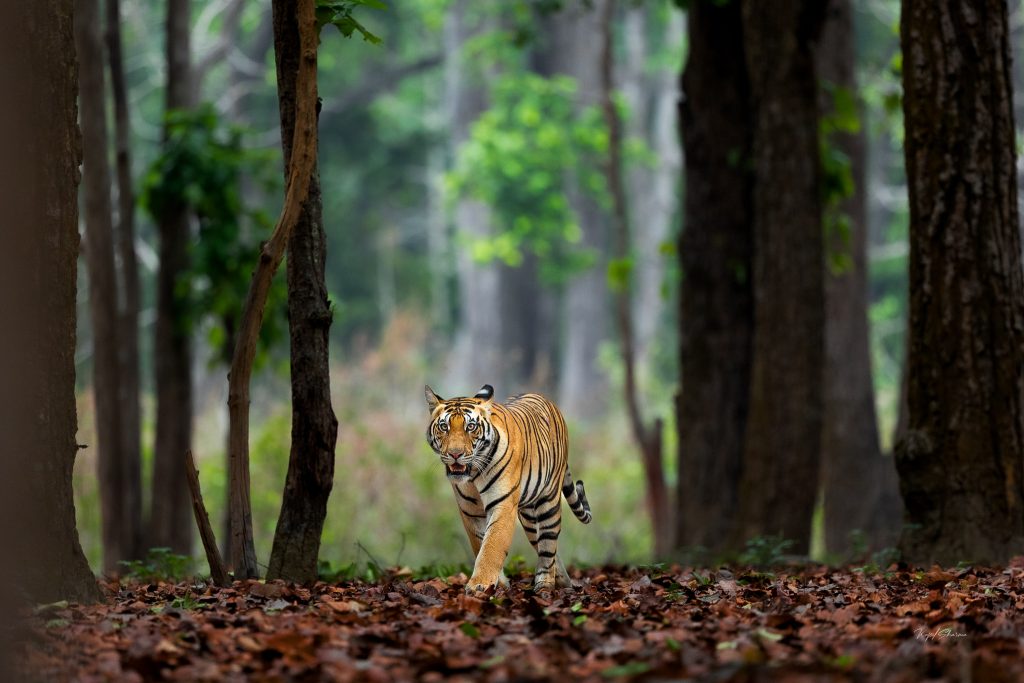
A photographers’ paradise that is laden with meadows and dispersed with Teak and Sal plantations, Kanha National Park Safari boasts one of the best landscapes in India for photography. The touch and tease of the sunlight through the canopy of the Sal forests are as surreal to the naked eye as it is through the lens. The magic of the light playing through the trees reaches its peak during the winter months but also persists throughout the year, giving you enough opportunity to take some mesmerizing shots home.

The Kanha National Park safari booking will usher you into the treasure trove for all wildlife and wildlife photography enthusiasts- it is where the best of both worlds meet. Kanha is renowned for regal tiger sightings, here, the tigers put on a splendour display. The opulence of the tigers is matched by the beauty of the national park. Furthermore, one of the most distinctive facts about the Kanha National Park is that it is the only national park in central India that houses the endangered hardground Barasingha. The state animal of Madhya Pradesh, otherwise common only in North East India, resides exclusively in Kanha in central India.

The largest national park in Madhya Pradesh is divided into four zones Kisli, Kanha, Mukki and Sarhi. Spanned across these zones are resident quarters of over 300 species of birds and almost 43 species of mammals. If you wish to witness nature at its most bountiful, pristine and picturesque,then the Kanha national park safari should be on top of your bucket list. Spotting tigers, Indian leopards, barasingha, Bengal fox, and sloth bears, among other species, against the backdrop of a dreamy and enchanted Sal forest is a safari experience that will remain etched in your memory forever.

Come to Kanha, let its vivid beauty engulf you!

Kanha Kaleidoscope Read More »

logo green+silver

Satpura Silent Symphony

Remote, intimate, and profoundly atmospheric, Satpura National Park is a rare wilderness where silence speaks louder than sightings. Nestled in the Satpura ranges of Madhya Pradesh, this lesser-explored gem is defined by dense Sal and teak forests, sandstone hills, deep ravines and mist-laden valleys that feel untouched by time.

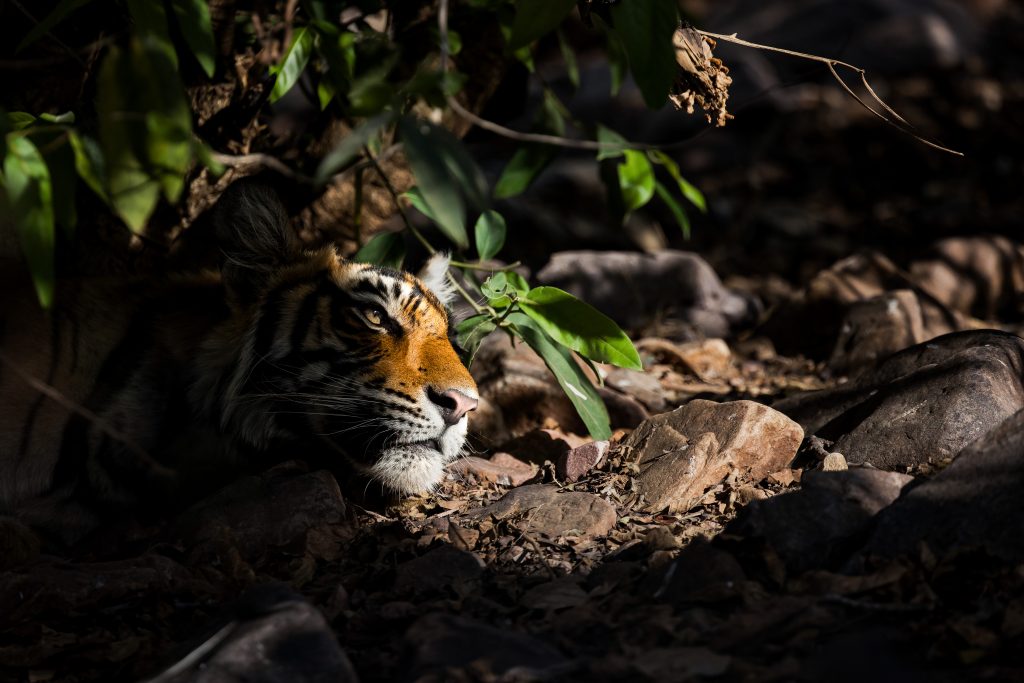
Satpura offers a more immersive safari experience, allowing walking safaris, boat safaris and jeep explorations, each revealing a different rhythm of the forest. Leopards slip through shadows, giant squirrels leap between canopies, and wild dogs move with disciplined precision across the terrain. Tigers here are elusive, but every encounter feels deeply personal.

The Denwa River flows gently through the park, nurturing rich biodiversity and serving as a corridor for birds, otters, and marsh crocodiles. With over 300 species of birds and a remarkable variety of mammals, Satpura rewards patience, observation, and curiosity.

Satpura is not about chasing sightings, it’s about feeling the forest breathe.

Satpura Silent Symphony Read More »

Panna: Cliffs, Cats & Comeback Stories

Carved by time and sculpted by water, Panna National Park lies along the dramatic tablelands of the Vindhya range in Madhya Pradesh. Unlike the dense sal forests of Central India, Panna unfolds as a striking mosaic of dry deciduous forests, teak woodlands, open plateaus, and deep riverine gorges, giving the park a raw, almost prehistoric character.

The lifeline of Panna is the Ken River, whose emerald waters cut through limestone cliffs, creating one of India’s most scenic tiger landscapes. Crocodiles bask on sunlit sandbanks, vultures soar above rocky escarpments, and forest trails echo with the calls of chital and sambar. Once declared locally extinct, Panna’s tiger population stands today as one of India’s greatest conservation success stories, symbolising resilience and revival.

The park is equally renowned for its avian diversity, housing endangered vultures, migratory waterbirds, and raptors that thrive along the river corridors. Leopards, sloth bears, wolves, and hyenas roam the rugged terrain, while the forests whisper stories of ancient Bundelkhand, dotted with temples and historic ruins.

Panna is wild, rugged and cinematic, where rivers carve legends and tigers reclaim their kingdom.

Embark on a journey to Panna, where the wild is both a story and a storyteller.

Let the winds carry tales of tigers, the rocks echo with history, and the leaves whisper secrets only the wilderness can share.

Panna: Cliffs, Cats & Comeback Stories Read More »

Ranthambhore – Season closure

The thundering of paw-thumping will have your heart flutter to its beat, the glorious roar echoing in all corners of the forest will send shivers down the spine, and the innocence of tiger cubs indulging in the joy of being nurtured amidst nature is bound to fill your soul with warmth. Such is the beauty of the Ranthambore tiger safari, it appeals to and heightens all your senses and emotions.

No wonder it attracts flocks of tourists, wildlife enthusiasts and historians from around the world. Ranthambore National Park derives its name from the Ranthambore fort which stands towering tall within the vicinity of the park The fort was the prized property of the Maharajah of Jaipur in pre-independent India. The king and his party of royal men rode out across the forest in leisure to satiate their pleasures of hunting. Now, it is a protected area and is the abode of tigers in their most natural habitat.

Ranthambore is a photographer’s paradise. The tigers residing in this reserve are bold and make quite the vision when you are looking through your lens. Against the backdrop of historical ruins, the tigers of Ranthambore are the central figures in this theater. The perfect amalgamation of nature, archaeology and wildlife – a frame that is only possible when you set foot in Ranthambore. Moreover, your skipper shares a close equation with the community here and has assembled the best team to ensure that you get the maximum photography opportunities.

Taste a piece of wildlife heaven, visit Ranthambore!

Ranthambhore – Season closure Read More »